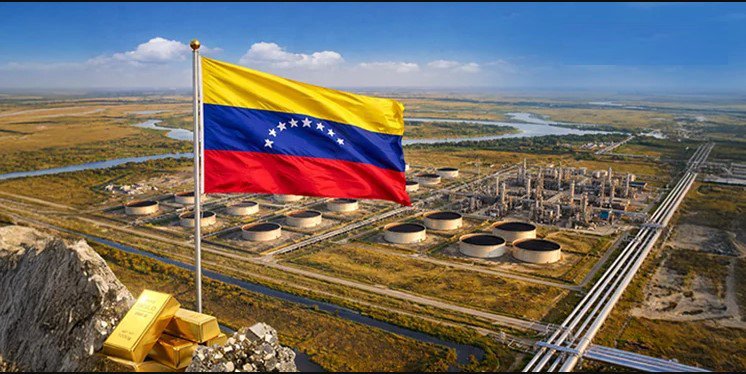
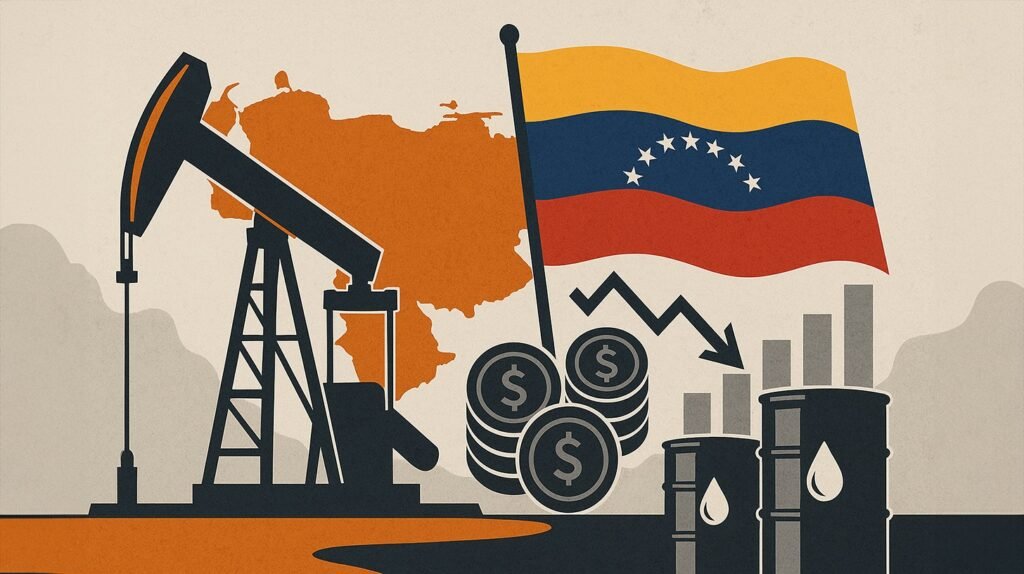
Venezuela is one of the most resource-rich countries in South America. Its name is closely linked with oil, but the story goes much deeper than petroleum. Beneath its land are huge oil deposits, natural gas, iron ore, gold, bauxite, diamonds, coal, and other minerals. Across its surface are large rivers, forests, wetlands, fertile lands, and major hydropower resources.
When people search for Venezuela Reserves, they often want one simple answer: how much natural wealth does the country have? The real answer is more complex. Different resources are measured in different ways, and not every large geological deposit is a proven reserve.
That difference matters.
A proven oil reserve is not the same as oil that exists underground. A technically recoverable oil resource is not automatically a proven commercial reserve. The same idea applies to gold, iron ore, bauxite, and other minerals.
Venezuela is a useful example because its underground resource base is much larger than what the country can produce at any one time.
According to OPEC data, Venezuela had about 303.221 billion barrels of proven crude oil reserves at the end of 2024. The U.S. Energy Information Administration has also described Venezuela as having about 303 billion barrels of proven crude reserves, with most of those reserves consisting of extra-heavy crude from the Orinoco Belt.
The country also has very large natural gas reserves. OPEC data for 2024 puts Venezuelan proven natural gas reserves at about 5,511 billion cubic meters. EIA reported about 195 trillion cubic feet of natural gas reserves in 2023.
But oil and gas are only part of the picture.
Southern Venezuela contains the ancient rocks of the Guayana Shield, an area associated with gold, iron ore, bauxite, diamonds, and other minerals. USGS data shows that Venezuela produced gold, iron ore, bauxite, aluminum, steel, cement, phosphate rock, ammonia, lead, lime, and other mineral commodities in 2024.
This article explains what is known about Venezuela Reserves, where the major resources are found, why some deposits are difficult to develop, and why natural wealth does not automatically translate into high production or economic growth.
Venezuela Reserves at a Glance
The country’s natural resource base can be divided into several major groups.
- Crude oil
- Natural gas
- Heavy and extra-heavy oil
- Gold
- Iron ore
- Bauxite
- Aluminum
- Diamonds
- Coal
- Nickel and other metals
- Hydropower
- Forests
- Freshwater
- Agricultural land
- Biodiversity and ecosystems
The most important point is that these resources should not all be described as “proven reserves.”
For oil and gas, international organizations publish reserve estimates using established statistical systems. For minerals, reserve estimates can be less consistent. Some figures describe resources, some describe reserves, and others describe production.
This means a good discussion of Venezuela Reserves must always ask three questions:
- What resource are we talking about?
- What year does the number represent?
- Is the number a reserve, a resource, or production?
That approach prevents a common problem in natural-resource reporting: taking the biggest number available and presenting it as if it means the same thing as every other number.
What Does Venezuela Reserves Actually Mean?
The word “reserve” has a specific meaning in resource industries.
A reserve generally refers to a known quantity of a resource that can be recovered under defined technical and economic conditions. The exact definitions differ between petroleum, mining, and other industries.
A resource is a broader term.
A geological resource may exist underground but may not yet be proven economical to produce. It may require more exploration, new technology, higher prices, better infrastructure, or other changes before it becomes a reserve.
This distinction is very important for Venezuela.
The country has enormous quantities of heavy oil in the Orinoco region. Some geological assessments describe technically recoverable quantities that are larger than the country’s reported proven reserves. That does not mean Venezuela can simply add those numbers together.
The U.S. Geological Survey, for example, estimated a mean of 513 billion barrels of technically recoverable heavy oil in its 2009 assessment of the Orinoco Oil Belt, with a range of 380 to 652 billion barrels. The assessment area contained more than one trillion barrels of heavy oil in place.
That is a geological and technical assessment.
It is not an additional 513 billion barrels of proven reserves.
Understanding this difference is one of the most important parts of understanding Venezuela Reserves.
Venezuela Reserves and Its Huge Oil Base
Oil is the central part of Venezuela’s natural resource story.
OPEC reported 303.221 billion barrels of proven crude oil reserves at the end of 2024. That figure makes Venezuela one of the largest holders of proven crude oil reserves in the world.
The EIA reported that most of Venezuela’s proven oil reserves are extra-heavy crude from the Orinoco Belt.
This creates both an advantage and a challenge.
The advantage is obvious. Venezuela has an enormous petroleum resource base.
The challenge is that extra-heavy crude is not easy oil.
It is thick and difficult to move. Producing it at scale can require specialised equipment, technical knowledge, dilution, upgrading, pipelines, storage, and reliable supporting infrastructure.
This explains why a country can have extremely large Venezuela Reserves and still produce much less oil than its reserve figure might suggest.
Where Are Venezuela’s Oil Reserves Located?
Venezuela has several major petroleum regions.
The most important include:
- The Orinoco Oil Belt
- The Maracaibo Basin
- The East Venezuela Basin
- Other mature oil-producing areas
The Orinoco region is particularly important because of its enormous heavy-oil deposits.
The Maracaibo Basin has a long history of petroleum production. It was one of the country’s most important oil-producing areas long before the modern focus on the Orinoco Belt.
The eastern part of the country also contains important petroleum resources.
This geographic diversity means Venezuela Reserves are not concentrated in one simple underground pool.
Different fields have different crude qualities, reservoir conditions, production histories, infrastructure needs, and recovery challenges.
The Orinoco Oil Belt
The Orinoco Oil Belt is one of the most important areas in any discussion of Venezuela Reserves.
It stretches across a large portion of eastern Venezuela and contains very large accumulations of heavy and extra-heavy crude.
The USGS assessment covered about 50,000 square kilometers of the East Venezuela Basin Province. It estimated more than one trillion barrels of heavy oil in place and a mean technically recoverable amount of 513 billion barrels.
Those numbers show the geological scale of the area.
But the oil in place is not the same as oil that can be produced tomorrow.
Some oil will remain underground because recovery is never 100 percent.
Some deposits may require expensive technology.
Some areas need new infrastructure.
Some projects can be affected by market prices.
Some resources may become more attractive when technology improves.
That is why the Orinoco Belt should be viewed as a long-term resource base rather than a simple production machine.
Why Extra-Heavy Oil Is Different
Extra-heavy oil has high viscosity.
In simple terms, it is much thicker than many lighter crude oils.
That creates several technical problems.
- It can be difficult to pump.
- It can move slowly through pipelines.
- It may require dilution.
- It can require specialized production systems.
- Upgrading may be needed for some uses.
- Transportation can be more difficult.
- Oil recovery can require more technical planning.
These factors raise the cost and complexity of developing Venezuela Reserves.
The country therefore needs more than oil underground.
It needs wells, pumps, pipelines, storage tanks, processing facilities, ports, electricity, roads, skilled workers, financing, maintenance, and stable operating systems.
Venezuela Reserves Versus Oil Production
Reserve numbers and production numbers answer different questions.
Reserves are a stock.
Production is a flow.
For example, a country could have hundreds of billions of barrels of proven reserves but produce only a small fraction of a billion barrels per year.
That is not a contradiction.
Production depends on the ability to extract and process the resource.
EIA has noted several factors that have constrained Venezuela’s oil and gas development, including infrastructure problems, limited investment, technical challenges, and constraints affecting the state oil company PDVSA.
This is an important lesson for anyone studying Venezuela Reserves.
Natural wealth creates potential.
Infrastructure turns potential into production.
Why Venezuela Has Not Produced Its Full Oil Potential
Having a huge reserve base does not guarantee high output.
Oil production requires continuous work.
Wells decline.
Pipelines need maintenance.
Refineries need equipment.
Storage tanks need inspection.
Electricity systems must work.
Ports must remain usable.
Workers need training.
Drilling programs need money.
Oil projects need long-term planning.
Venezuela’s oil industry has experienced periods of declining investment, infrastructure problems, and reduced technical capacity.
EIA has identified budget constraints at PDVSA, limited qualified technical personnel, and limited foreign investment as factors affecting development.
This is why the headline number for Venezuela Reserves should never be used alone to judge the country’s oil industry.
The reserve base is enormous.
The production system is a separate question.
Natural Gas Beneath Venezuela
Natural gas is the second major part of the country’s hydrocarbon story.
OPEC reported approximately 5,511 billion cubic meters of proven natural gas reserves for Venezuela in 2024.
EIA reported about 195 trillion cubic feet of natural gas reserves in 2023 and said Venezuela accounted for about 73 percent of South America’s natural gas reserves in that dataset.
The exact figure can vary by source and reporting year, but the main point is clear.
Venezuela has a very large gas resource base.
Yet much of that gas remains underused.
Associated Gas
A large share of Venezuela’s natural gas is associated with oil production.
Associated gas is gas produced alongside crude oil.
EIA estimates that around 80 percent of Venezuela’s produced natural gas is associated gas. About 30 percent is reinjected into oil fields to support crude production.
This creates an important connection between Venezuela Reserves and oil production.
Gas is not always produced as a separate commercial product.
Sometimes it is used inside the oil field.
Sometimes it is processed.
Sometimes infrastructure limitations can make it difficult to monetize.
Why Venezuela’s Gas Resources Are Underused
Large gas reserves need large systems to become valuable.
These systems include:
- Gas gathering
- Processing plants
- Pipelines
- Storage
- Distribution networks
- Power plants
- Industrial customers
- Export facilities
EIA has pointed to infrastructure limitations, weak investment, limited domestic demand, and difficulty developing export projects as factors that have limited Venezuela’s natural gas sector.
This is another example of the difference between underground wealth and usable energy.
Offshore Natural Gas Resources
Venezuela also has offshore gas potential.
The country’s Caribbean and Atlantic coastline gives it access to offshore geological areas.
Offshore gas development can be technically complex.
Projects may require:
- Offshore drilling equipment
- Underwater pipelines
- Processing facilities
- Large capital investment
- Long-term contracts
- Environmental monitoring
- Port support
- Specialized workers
For Venezuela Reserves, offshore gas represents another example of resources that may require years of development before they can become a major source of commercial supply.
Venezuela Reserves and the Guayana Shield
Oil dominates the country’s energy story, but the southern part of Venezuela tells a different geological story.
The Guayana Shield is an ancient geological region covering parts of northern South America.
In Venezuela, it contains important deposits and occurrences of:
- Gold
- Iron ore
- Bauxite
- Diamonds
- Other metals and minerals
The region is also covered by large forest systems and crossed by major rivers.
This creates both opportunity and responsibility.
Mining can create jobs and industrial output.
At the same time, mining can affect forests, rivers, soil, wildlife, and local communities if it is poorly managed.
Gold and Venezuela Reserves
Gold is one of the best-known mineral resources in southern Venezuela.
USGS data shows that Venezuela produced an estimated 30,600 kilograms of contained gold in 2024.
That number is production.
It is not the same as total gold reserves.
This distinction matters because online articles sometimes mix gold production, geological resources, and proven reserves.
A responsible discussion of Venezuela Reserves should avoid presenting an old geological estimate as a current proven reserve unless the source clearly supports that claim.
Where Is Gold Found?
Gold resources are strongly associated with the Guayana Shield.
Important mining areas are located in southern Venezuela, particularly Bolívar State.
Gold has been produced by both government-linked operations and artisanal or small-scale miners. USGS described Venezuela’s gold production structure in 2024 as involving artisanal or small-scale miners as well as government-owned companies.
Why Gold Mining Is Complicated
Gold mining can bring income to remote areas.
But it can also create serious environmental problems.
Poorly controlled mining can lead to:
- Forest clearing
- River pollution
- Soil damage
- Habitat loss
- Sediment in waterways
- Unsafe working conditions
The value of Venezuela Reserves therefore cannot be measured only by the price of gold.
The country must also consider the long-term cost of extracting it.
Iron Ore and Venezuela Reserves
Iron ore is another major mineral resource.
Venezuela’s iron ore industry is concentrated in the Guayana region.
The country’s iron ore deposits have supported steel and metal production for decades.
USGS estimated Venezuelan iron ore mine production at about 2.4 million metric tons in 2024, including about 1.5 million metric tons of contained iron.
Again, this is production rather than the total size of Venezuela Reserves.
Why Iron Ore Matters
Iron ore is valuable because it supports a wider industrial chain.
The basic chain looks like this:
- Iron ore is mined.
- Ore is processed.
- Iron materials are produced.
- Steel is manufactured.
- Steel supports construction and manufacturing.
Steel can be used for:
- Buildings
- Bridges
- Pipelines
- Vehicles
- Machinery
- Energy infrastructure
- Industrial equipment
This means iron ore can contribute to industrial development far beyond the mine itself.
Bauxite and Venezuela Reserves
Bauxite is the main ore used to produce aluminum.
Venezuela has important bauxite resources in the Guayana region.
The country also developed an aluminum industry connected to its mineral and energy resources.
USGS reported estimated 2024 bauxite production of about 250,000 metric tons and primary aluminum production of about 8,000 metric tons.
These figures show that the country still had mineral and metal production, but they also demonstrate the gap between resource potential and industrial output.
Why Aluminum Needs Large Amounts of Energy
Aluminum production requires significant electricity.
That creates an important link between bauxite and hydropower.
Venezuela’s mineral industry was developed partly around the availability of large hydroelectric resources in the Guayana region.
This means the value of Venezuela Reserves is interconnected.
A bauxite deposit becomes more useful when there is reliable electricity.
A steel plant becomes more useful when iron ore, power, transportation, and processing capacity are available.
A mine becomes more valuable when roads, railways, ports, and skilled workers are available.
Natural resources work as a system.
Diamonds and Other Mineral Resources
Diamonds have also been associated with Venezuela’s Guayana Shield.
USGS data records diamond production in some earlier years, although its 2024 table reports zero production of natural gem diamonds.
This illustrates another important point.
A country may have a known mineral occurrence but little or no current production.
The existence of a deposit does not mean an active industry is operating.
Venezuela also has geological potential for a range of other minerals.
However, the evidence and reserve definitions vary across commodities.
That is why claims about Venezuela Reserves for less-developed minerals should be treated carefully.
Coal Resources in Venezuela
Coal is another resource found in Venezuela.
The most important coal deposits are associated with western Venezuela, especially Zulia State.
Coal has never played the same role in Venezuela’s economy as oil.
EIA reported that Venezuelan coal consumption had fallen substantially, reaching about 67,000 short tons in 2021.
Coal illustrates an important point about resource wealth.
A country can have a geological resource without having a large modern industry around it.
Markets change.
Technology changes.
Environmental rules change.
Transportation costs change.
A resource that was once important may become less attractive.
Venezuela Reserves and Hydropower
Not all natural wealth is underground.
Venezuela has major hydropower resources.
The country’s rivers provide electricity through large hydroelectric facilities, especially in the Guayana region.
EIA reported that hydropower supplied about 64 percent of Venezuela’s electricity generation in 2021. It also reported six operating hydroelectric plants with a combined capacity of 16,010 megawatts.
This makes water one of Venezuela’s most important energy assets.
The Guri Hydroelectric Facility
The Guri hydroelectric complex is the country’s largest hydroelectric facility.
EIA reported that Guri accounted for about 64 percent of Venezuela’s hydroelectric capacity in its 2021 assessment.
Guri is located on the Caroní River.
Its importance extends far beyond electricity.
Reliable electricity supports:
- Mining
- Aluminum production
- Steel production
- Cities
- Hospitals
- Water systems
- Manufacturing
- Communications
- Digital services
This shows why the wider concept of Venezuela Reserves should include renewable natural assets as well as underground deposits.
The Caroní River and Venezuela’s Energy System
The Caroní River is one of the most important rivers for Venezuelan power generation.
Large hydroelectric facilities use the river’s flow to produce electricity.
But hydropower also creates risks.
EIA has noted that Venezuela’s dependence on hydropower makes the electricity system vulnerable to changes in water availability and drought.
That means hydropower planning requires careful water management.
A strong energy system needs more than large dams.
It also needs:
- Transmission lines
- Maintenance
- Backup generation
- Grid management
- Water planning
- Reliable equipment
Forest Resources Beneath Venezuela’s Surface Wealth
Forests are one of Venezuela’s most important natural assets.
World Bank data shows that forests covered about 52.2 percent of Venezuela’s land area in 2023.
That is a major natural resource base.
Forests provide value in many ways.
They support:
- Biodiversity
- Water cycles
- Soil protection
- Carbon storage
- Local livelihoods
- Timber and forest products
- Tourism
- Scientific research
When people discuss Venezuela Reserves, forests should not be treated as an afterthought.
A forest cannot be valued only by the timber that can be removed.
The living ecosystem itself has value.
Venezuela Reserves and Freshwater
Freshwater is another major national asset.
Venezuela contains major rivers and watersheds.
The Orinoco River is the most famous, but many other rivers are important to communities, agriculture, ecosystems, and energy production.
Water connects almost every natural resource sector.
Oil production can require water.
Mining can require water.
Agriculture requires water.
Hydropower requires water.
Cities require water.
This makes water management a central part of the country’s resource future.
Why Clean Water Matters
Resource development can damage water if it is poorly planned.
Mining can increase sediment.
Industrial waste can pollute rivers.
Oil spills can affect waterways.
Deforestation can change runoff and erosion.
For this reason, water protection should be treated as part of resource management rather than as a separate environmental issue.
Venezuela Reserves and Agriculture
Venezuela also has large agricultural regions.
The Llanos is one of the best-known areas.
This broad grassland region is important for cattle production and agriculture.
Agricultural land is different from oil or mineral reserves.
Land productivity depends on:
- Rainfall
- Soil quality
- Roads
- Irrigation
- Farm equipment
- Fertilizer
- Markets
- Storage
- Electricity
- Transport
Natural resources become economically useful when people have the systems needed to use them.
This is another reason why Venezuela Reserves should not be viewed only as a list of underground deposits.
The Connection Between Oil, Gas and Minerals
Venezuela’s resource sectors are closely connected.
Oil provides energy and industrial feedstocks.
Gas can provide fuel and industrial raw material.
Hydropower provides electricity.
Iron ore provides steel inputs.
Bauxite provides aluminum inputs.
Gold and other minerals provide metals for industry and trade.
Forests and water support ecosystems and communities.
This creates a resource network.
For example, a mining operation may need electricity.
Electricity may come from hydropower.
The mine may need diesel equipment.
Diesel may come from petroleum.
The mine may need steel.
Steel may come from iron ore.
The mine may also need water.
The final product may need roads, railways, ports, and export infrastructure.
The value of Venezuela Reserves therefore depends on how these systems work together.
Why Infrastructure Is So Important
Natural resources have little economic value if they cannot reach a customer.
Oil needs pipelines and ports.
Gas needs gathering systems and pipelines.
Iron ore needs railways and processing facilities.
Bauxite needs mines, roads, processing plants, and electricity.
Gold needs safe mining and processing systems.
Agriculture needs roads, storage, refrigeration, and markets.
This means infrastructure is one of the biggest bridges between natural wealth and economic value.
Oil Infrastructure
Venezuela has an extensive network of oil infrastructure built over many decades.
But older infrastructure requires continuous maintenance.
Pipelines can corrode.
Pumps can fail.
Storage equipment can age.
Refineries need repairs.
Electricity interruptions can affect operations.
These problems can reduce production even when the underground resource remains enormous.
Gas Infrastructure
Gas infrastructure is another major challenge.
EIA has specifically noted limitations in natural gas infrastructure, including systems for reinjection, storage, distribution, and residential supply.
This is one reason large Venezuela Reserves of natural gas have not automatically translated into large international gas exports.
The Human Side of Venezuela Reserves
Natural resources are not valuable only because they can be sold.
They also affect people’s lives.
A strong resource sector can create:
- Jobs
- Government revenue
- Local business activity
- Infrastructure
- Electricity
- Industrial skills
- Export income
But poorly managed resource development can create:
- Pollution
- Unsafe working conditions
- Land conflicts
- Loss of forests
- Water damage
- Unequal economic benefits
The goal should therefore not be simply to extract as much as possible.
The goal should be to create lasting value while protecting people and natural systems.
Venezuela Reserves and Local Communities
Many of Venezuela’s mineral resources are located far from major coastal cities.
Mining areas can overlap with communities that depend on forests, rivers, agriculture, or traditional livelihoods.
That makes local consultation important.
Resource projects should consider:
- Land use
- Water access
- Worker safety
- Community infrastructure
- Indigenous rights
- Environmental monitoring
- Long-term economic benefits
The success of a resource project should not be measured only by how many tonnes or barrels it produces.
It should also be measured by what remains for communities after extraction.
Indigenous Communities and Resource Development
Southern Venezuela contains areas inhabited by Indigenous communities.
Resource development can affect traditional lands and ecosystems.
For that reason, responsible development requires more than technical mining plans.
It requires attention to:
- Land rights
- Cultural heritage
- Water
- Food sources
- Traditional livelihoods
- Community participation
This is particularly important in areas where mining activity overlaps with forests and river systems.
The Environmental Cost of Resource Development
Large natural resources can create large environmental pressures.
Oil production can create emissions and waste.
Gas production can lead to flaring.
Mining can clear forests.
Road construction can fragment habitats.
Hydropower can alter river systems.
Agriculture can affect soils and waterways.
The challenge is not to pretend these impacts do not exist.
The challenge is to manage them.
Gas Flaring
Gas flaring is an important issue in Venezuela.
When natural gas is produced with oil but cannot be economically transported or processed, it may be burned.
This wastes a potentially useful energy resource and creates emissions.
The World Bank has identified Venezuela as having significant gas associated with oil production and has reported concerns about routine flaring in areas such as northern Monagas.
This makes gas infrastructure part of environmental management as well as economic development.
Venezuela Reserves and Climate Considerations
Oil and gas resources present a difficult long-term question.
Venezuela has enormous petroleum reserves.
At the same time, global energy markets are changing.
Countries are investing in:
- Solar power
- Wind power
- Batteries
- Electric vehicles
- Energy efficiency
- Low-carbon fuels
- Nuclear power
- Hydrogen
- Grid modernization
This does not mean oil will suddenly disappear.
Oil remains important for transportation, chemicals, plastics, aviation, and many industrial uses.
But long-term demand is uncertain.
That means the future value of Venezuela Reserves will depend partly on how the global energy system changes.
Venezuela Reserves and Energy Diversification
A resource-rich country does not have to rely on one resource forever.
Venezuela has several options for diversification.
These could include:
- Natural gas
- Hydropower
- Solar energy
- Agriculture
- Mining
- Petrochemicals
- Metals
- Manufacturing
- Tourism
- Forest products
- Renewable energy services
Diversification can reduce dependence on one commodity.
It can also create more jobs across different sectors.
Why Natural Gas Could Matter More
Natural gas could play a larger role in Venezuela’s energy system if infrastructure and investment conditions allow.
Gas can be used for:
- Electricity generation
- Industrial heating
- Fertilizer
- Petrochemicals
- Domestic energy
- Potential exports
Venezuela’s large gas base gives it an important starting point.
But development requires infrastructure and capital.
That is why gas is one of the most interesting parts of the future Venezuela Reserves story.
Petrochemicals and Resource Value
Oil and gas do not have to be exported only as raw commodities.
They can also feed industrial products.
Petrochemical facilities can use hydrocarbons to produce:
- Fertilizers
- Plastics
- Solvents
- Chemicals
- Industrial materials
Moving up the value chain can create more economic activity than simply exporting raw crude.
But petrochemical plants are expensive and technically demanding.
They also need reliable energy, feedstock, transportation, maintenance, and markets.
Iron, Steel and Industrial Development
The same principle applies to minerals.
Exporting iron ore is one option.
Using iron ore to make steel can create a larger industrial chain.
Steel can then support:
- Construction
- Machinery
- Transport
- Energy projects
- Manufacturing
Venezuela historically developed iron and steel industries in the Guayana region.
The challenge is maintaining the entire chain.
A mine without a functioning processing system cannot reach its full value.
Aluminum and Industrial Integration
Bauxite, alumina, aluminum, electricity, and manufacturing form another connected chain.
Venezuela’s Guayana region was developed partly around this model.
The idea was straightforward:
- Mine bauxite.
- Produce alumina.
- Produce aluminum.
- Use electricity from hydropower.
- Create industrial products.
This model can create much more value than exporting raw bauxite alone.
But it also requires reliable power and modern industrial equipment.
What Could Make Venezuela Reserves More Valuable?
The underground resource base is only the first step.
Several factors could increase the value of Venezuela Reserves.
Better Infrastructure
Modern pipelines, ports, roads, railways, power systems, and processing plants can reduce production costs.
Better Technology
Improved recovery technology can increase the amount of oil or gas that can be produced.
Skilled Workers
Modern energy and mining industries require engineers, geologists, technicians, electricians, welders, operators, and environmental specialists.
Better Maintenance
Old equipment can reduce production even when deposits remain large.
More Processing
Turning raw materials into finished or semi-finished products can create more domestic value.
Strong Environmental Controls
Good environmental rules can reduce long-term damage and protect water and forests.
Reliable Data
Better geological surveys and transparent reporting can help investors and policymakers understand what resources actually exist.
Why Reliable Resource Data Matters
Good decisions require good data.
A reserve estimate should ideally identify:
- The resource
- The location
- The year
- The reporting method
- The level of certainty
- The technical assumptions
- The economic assumptions
This is especially important for Venezuela Reserves because different sources may use different terms.
For oil and gas, OPEC and EIA provide widely used statistical information.
For minerals, USGS provides production data and geological information.
For forests and environmental indicators, the World Bank provides internationally comparable data.
Using these sources together creates a better picture than relying on one viral statistic.
Venezuela Reserves and the Difference Between Data Sources
Different organizations answer different questions.
OPEC focuses heavily on petroleum statistics.
EIA provides energy analysis.
USGS focuses on geology and minerals.
The World Bank provides development and environmental indicators.
A source should therefore be selected based on the question being asked.
For example:
If you want proven crude reserves, OPEC is highly relevant.
If you want an explanation of why Venezuelan oil is difficult to produce, EIA is useful.
If you want a technical assessment of Orinoco heavy oil resources, USGS is useful.
If you want mineral production data, USGS is useful.
If you want forest coverage, World Bank data is useful.
This source-based approach improves the reliability of information about Venezuela Reserves.
The Orinoco Belt Is Not a Simple Number
It is tempting to describe the Orinoco Belt with one enormous number.
But the reality is more complicated.
The USGS estimated more than one trillion barrels of heavy oil in place in its assessment area and a mean technically recoverable resource of 513 billion barrels.
Those figures do not mean the entire quantity can be produced at today’s cost.
Recovery depends on:
- Reservoir properties
- Well design
- Recovery technology
- Oil viscosity
- Dilution
- Infrastructure
- Capital
- Operating conditions
- Market prices
This is why technically recoverable resources should not be presented as guaranteed future production.
Venezuela Reserves and the Meaning of “Largest”
Readers often see Venezuela described as having the world’s largest oil reserves.
That statement refers to proven crude oil reserves under a particular reporting system and year.
It does not mean Venezuela has the largest oil production.
It does not mean it has the largest refinery system.
It does not mean it can produce every barrel economically.
It does not mean every barrel is light crude.
Much of the proven reserve base is extra-heavy oil.
This distinction is important because reserve size and production capacity are separate measurements.
Venezuela Reserves and Global Energy Markets
Venezuela’s resources are part of a much larger global market.
Oil prices affect the economics of producing heavy crude.
Natural gas prices affect gas projects.
Metal prices affect mining.
Aluminum prices affect bauxite and alumina.
Gold prices affect gold mining.
Steel demand affects iron ore.
Global shipping costs affect exports.
Therefore, the value of Venezuela Reserves changes over time.
A deposit that is expensive to produce during a low-price period may become more attractive when prices rise.
Technology can have a similar effect.
The Role of Investment
Natural-resource projects need capital.
Oil wells cost money.
Pipelines cost money.
Mines cost money.
Hydroelectric facilities require major maintenance.
Refineries require large investments.
Gas processing facilities require specialized equipment.
Without investment, production systems can decline even when resources remain underground.
This is one of the clearest lessons from Venezuela’s resource history.
The country has not run out of natural wealth.
Instead, the challenge is turning existing wealth into reliable and sustainable production.
Venezuela Reserves and the Future of Oil
Oil is likely to remain central to Venezuela’s economy for years.
The size of the proven reserve base makes petroleum impossible to ignore.
But the future oil industry may look different from the past.
It may place greater emphasis on:
- Lower-cost production
- Better recovery
- Heavy-oil technology
- Infrastructure repair
- Refinery modernization
- Lower emissions
- Gas capture
- Better data
- Efficient operations
The country may also need to compete for investment in a world where investors have more energy choices.
The Future of Natural Gas
Natural gas offers another possible growth area.
Venezuela’s gas reserves are large.
The country also has a long coastline and access to Caribbean and Atlantic markets.
But gas development will require major infrastructure.
Potential projects could include:
- Gas processing
- Domestic distribution
- Industrial gas supply
- Fertilizer production
- Power generation
- Offshore development
- Regional gas trade
The scale of Venezuela Reserves means gas could become more important if the supporting systems are developed.
The Future of Mining
Mining could also become a larger part of Venezuela’s economy.
The country has known deposits of:
- Gold
- Iron ore
- Bauxite
- Diamonds
- Nickel
- Other minerals
But mining development should be based on reliable geological information.
New exploration can improve knowledge.
Modern mining technology can improve recovery.
Better environmental controls can reduce damage.
Transparent reporting can improve confidence.
The future value of Venezuela Reserves therefore depends partly on how well the country manages its mineral information and mining systems.
Forests and the Long-Term Resource Economy
Forests may become more important as the global economy places greater value on biodiversity, carbon storage, water protection, and ecosystem services.
Venezuela’s large forest area gives it an important natural asset.
World Bank data places forest coverage at about 52.2 percent of land area in recent reporting.
That means conservation is not simply an environmental issue.
It is also an economic issue.
Healthy forests protect water.
Healthy watersheds support hydropower.
Healthy ecosystems support agriculture.
Healthy landscapes can support tourism.
This makes forest protection part of a wider resource strategy.
Venezuela Reserves and Renewable Energy
Hydropower is already a major part of Venezuela’s electricity system.
But the country also has potential for other renewable energy sources.
Solar resources can be useful in areas with strong sunlight.
Wind resources may be useful in suitable coastal regions.
Small hydro projects may work in certain areas.
Renewables could complement hydropower and reduce pressure on existing facilities.
The exact scale of this potential requires site-specific studies.
Still, energy diversification could become an important part of the future Venezuela Reserves story.
Why Resource Wealth Alone Is Not Enough
Venezuela provides a clear lesson.
A country can have huge natural resources and still face serious economic challenges.
Natural wealth is only one part of development.
Other parts include:
- Institutions
- Infrastructure
- Human capital
- Investment
- Technology
- Education
- Healthcare
- Rule of law
- Environmental management
- Access to markets
Resources can support development, but they cannot replace all of these systems.
Venezuela Reserves and Economic Value
The economic value of a natural resource is not fixed.
It depends on the cost of extraction and the value of the final product.
For oil, the calculation includes:
- Oil quality
- Production cost
- Transportation
- Refining
- Market price
- Infrastructure
- Taxes and royalties
For mining, it includes:
- Ore grade
- Mining cost
- Processing cost
- Transportation
- Metal price
- Environmental requirements
For hydropower, it includes:
- Water availability
- Dam capacity
- Transmission
- Maintenance
- Grid reliability
This is why it is impossible to give one accurate dollar value for all Venezuela Reserves.
A Resource-Rich Country With Different Regional Economies
Venezuela’s natural wealth is spread across different regions.
The west has major oil history and agricultural areas.
The east contains major petroleum resources and the Orinoco Belt.
The south contains the Guayana Shield, forests, rivers, gold, iron ore, bauxite, and hydropower.
The coast contains ports, offshore energy potential, cities, fisheries, and tourism.
This geographic diversity means each region has different development opportunities and risks.
What the Numbers Tell Us
The major statistics provide a useful starting point.
OPEC’s 2024 data indicates:
- About 303.221 billion barrels of proven crude reserves.
- About 5,511 billion cubic meters of proven natural gas reserves.
USGS 2024 mineral data indicates production of approximately:
- 30,600 kilograms of contained gold.
- 2.4 million tonnes of iron ore.
- 250,000 tonnes of bauxite.
- 8,000 tonnes of primary aluminum.
- 30,000 tonnes of raw steel.
- 1.6 million tonnes of cement.
These production figures should not be confused with underground reserve totals.
The figures demonstrate the variety of Venezuela’s resource base.
They also show why production and reserves must always be kept separate.
What We Can Say With Confidence About Venezuela Reserves
Several facts are clear.
Venezuela has an exceptionally large proven crude oil reserve base.
Much of that oil is extra-heavy crude from the Orinoco Belt.
The country has very large proven natural gas reserves.
Southern Venezuela has important mineral resources.
Hydropower is a major part of the electricity system.
Forests cover a large share of the country’s land.
The country has major rivers and freshwater systems.
At the same time, some mineral reserve claims require more caution because definitions and source quality differ.
That is why a good article about Venezuela Reserves should separate confirmed statistics from broader resource potential.
What We Should Not Assume
There are also several things that should not be assumed.
A large reserve does not mean high production.
A geological resource does not automatically mean a proven reserve.
A technically recoverable resource does not mean every barrel will be produced.
A mineral deposit does not guarantee a profitable mine.
A large hydroelectric facility does not guarantee reliable electricity.
A forest resource does not mean it should be cleared for development.
This distinction keeps natural-resource reporting accurate.
Frequently Asked Questions About Venezuela Reserves
How much oil does Venezuela have in reserves?
OPEC reported about 303.221 billion barrels of proven crude oil reserves at the end of 2024. Much of the country’s proven crude is extra-heavy oil associated with the Orinoco Belt.
Does Venezuela have the world’s largest oil reserves?
Venezuela has been reported as having the world’s largest proven crude oil reserve base in major international energy statistics. EIA reported approximately 303 billion barrels for 2023, while OPEC reported 303.221 billion barrels at the end of 2024.
Why does Venezuela have so much oil but produce less than expected?
Most of the proven reserve base consists of heavy or extra-heavy crude, especially in the Orinoco Belt. Producing this oil requires specialized technology, infrastructure, investment, and technical expertise. EIA has also identified infrastructure and investment constraints as important challenges.
How much natural gas does Venezuela have?
OPEC reported approximately 5,511 billion cubic meters of proven natural gas reserves in 2024. EIA reported about 195 trillion cubic feet in 2023.
Does Venezuela have more than oil?
Yes. Venezuela also has natural gas, gold, iron ore, bauxite, diamonds, coal, hydropower, forests, freshwater, and agricultural resources.
What is the Orinoco Oil Belt?
The Orinoco Oil Belt is a large petroleum region in eastern Venezuela containing enormous quantities of heavy and extra-heavy crude.
How much oil is in the Orinoco Oil Belt?
A USGS assessment estimated more than one trillion barrels of heavy oil in place in the assessed area. It estimated a mean of 513 billion barrels of technically recoverable heavy oil, with a range of 380 to 652 billion barrels.
Is the 513 billion barrel Orinoco estimate part of Venezuela’s proven reserves?
No. The USGS figure is a technical resource assessment from 2009. It should not be added directly to OPEC’s proven reserve number.
Does Venezuela have gold reserves?
Venezuela has significant gold resources and active gold production. However, specific claims about total proven gold reserves should be checked against the definition, year, and source used. USGS estimated Venezuelan mine production at about 30,600 kilograms of contained gold in 2024.
Where are Venezuela’s minerals found?
Many important mineral resources are associated with the Guayana Shield in southern Venezuela, especially in Bolívar State and surrounding areas.
Does Venezuela have iron ore?
Yes. Iron ore is an important Venezuelan mineral resource. USGS estimated 2024 iron ore production at about 2.4 million tonnes.
Does Venezuela have bauxite?
Yes. Venezuela has bauxite resources in the Guayana region and has historically supported an aluminum industry. USGS estimated 2024 bauxite production at about 250,000 tonnes.
Is hydropower a natural resource of Venezuela?
Yes. Venezuela has major river systems and hydroelectric resources. EIA reported that hydropower supplied about 64 percent of electricity generation in 2021.
What is Venezuela’s largest natural resource?
Crude oil is the country’s most important proven underground energy resource by reported reserve volume and has historically dominated its energy economy. But Venezuela also has major gas, mineral, water, forest, and hydropower resources.
Are Venezuela’s natural resources fully developed?
No. Large parts of the country’s resource base remain underdeveloped or underused because of infrastructure, investment, technical, market, environmental, and other constraints.
People Also Ask About Venezuela Reserves
What are Venezuela’s main natural resources?
Venezuela’s main natural resources include crude oil, natural gas, gold, iron ore, bauxite, diamonds, coal, hydropower, forests, freshwater, and agricultural land.
Why are Venezuela’s oil reserves so large?
The country’s geology created very large petroleum accumulations, especially the extra-heavy oil deposits of the Orinoco Belt.
How much oil is left in Venezuela?
The most useful internationally reported figure is the country’s proven crude oil reserves. OPEC reported 303.221 billion barrels at the end of 2024. This does not mean all of that oil can be produced at once or at the same cost.
Is Venezuelan oil easy to extract?
Much of Venezuela’s proven crude is extra-heavy oil, particularly in the Orinoco Belt. This makes production more technically demanding than many lighter crude resources.
What minerals does Venezuela have besides oil?
Venezuela has gold, iron ore, bauxite, diamonds, coal, nickel, and other mineral resources.
Does Venezuela have natural gas?
Yes. Venezuela has one of the largest natural gas reserve bases in the region, although much of its gas production is associated with oil and the country’s gas infrastructure remains limited.
People Also Search For
Readers researching Venezuela Reserves may also search for:
- Venezuela oil reserves
- Venezuela natural resources
- Venezuela natural gas reserves
- Venezuela gold reserves
- Venezuela mineral resources
- Orinoco Oil Belt
- Venezuela oil production
- Venezuela oil reserves by year
- Venezuela proven oil reserves
- Venezuela gas reserves
- Venezuela mineral reserves
- Venezuela iron ore
- Venezuela bauxite reserves
- Venezuela gold mining
- Venezuela hydropower
- Venezuela natural resources map
- Venezuela oil fields
- Venezuela resources beneath the land
- Venezuela energy resources
- Venezuela mining resources
These searches are related, but they do not all mean the same thing. “Production,” “reserves,” and “resources” should not be treated as interchangeable terms.
Venezuela Reserves and the Importance of Transparency
Reliable resource information matters for everyone.
It matters for citizens who want to understand their country’s natural wealth.
It matters for businesses deciding where to invest.
It matters for researchers studying energy and minerals.
It matters for governments planning infrastructure.
It matters for environmental groups monitoring resource development.
It matters for journalists reporting on oil and mining.
For all of these groups, clear definitions are essential.
A number without a date can be misleading.
A reserve number without a definition can be misleading.
A production number presented as a reserve can be misleading.
A technical resource estimate presented as a proven reserve can be misleading.
Good reporting avoids these problems.
The Bigger Picture Behind Venezuela Reserves
The most important lesson is that Venezuela’s natural wealth is much broader than its oil headline.
Oil is enormous.
Natural gas is significant.
The Orinoco Belt contains an extraordinary heavy-oil resource.
The Guayana Shield contains important mineral deposits.
The Caroní River supports major hydropower facilities.
The country’s forests cover a large part of its land.
Its rivers and watersheds support communities, agriculture, ecosystems, and electricity generation.
Its agricultural regions add another layer of productive land.
Together, these assets give Venezuela a very diverse natural resource base.
But natural wealth is potential.
Turning potential into lasting prosperity requires infrastructure, skills, technology, investment, good resource management, environmental protection, and reliable institutions.
What the Future Could Look Like
The future of Venezuela Reserves will probably not depend on one commodity alone.
Oil is likely to remain important because the reserve base is so large.
Natural gas could become more important if infrastructure improves.
Mining could provide additional economic activity if geological data, investment, environmental management, and processing capacity improve.
Hydropower will remain important to the electricity system.
Forests and water will become increasingly important as environmental pressures grow.
Agriculture can provide diversification.
Renewable energy can complement existing hydroelectric resources.
The opportunity is therefore not simply to extract more resources.
It is to build a broader economy around them.
A More Complete Way to Think About Venezuela Reserves
Think of Venezuela’s natural wealth as a large underground and surface system.
Under the ground:
- Oil
- Natural gas
- Gold
- Iron ore
- Bauxite
- Diamonds
- Coal
- Other minerals
Across the land:
- Forests
- Rivers
- Agricultural land
- Wetlands
- Wildlife
- Freshwater systems
Within the energy system:
- Hydropower
- Petroleum
- Natural gas
- Potential solar and wind resources
The real challenge is connecting these assets to people and markets without destroying the natural systems that support them.
That is the deeper meaning of Venezuela Reserves.
Final Takeaway
Venezuela has one of the world’s largest proven crude oil reserve bases, with OPEC reporting 303.221 billion barrels at the end of 2024. Its natural gas reserves are also enormous, with OPEC reporting about 5,511 billion cubic meters.
The Orinoco Oil Belt adds another remarkable part of the story. A USGS assessment estimated more than one trillion barrels of heavy oil in place in its assessment area and a mean technically recoverable resource of 513 billion barrels. That estimate is a resource assessment, not an addition to proven reserves.
Beyond petroleum, Venezuela has important mineral resources. USGS data confirms production of gold, iron ore, bauxite, aluminum, steel, cement, phosphate rock, ammonia, and other mineral commodities.
The country also has major hydropower resources, large forest areas, freshwater systems, agricultural land, and rich ecosystems. World Bank data indicates that forests covered about 52.2 percent of Venezuela’s land area in 2023.
The central lesson is simple.
Venezuela Reserves are enormous, but reserves alone do not create prosperity.
The resource must be explored, produced, transported, processed, sold, and managed responsibly.
Oil must reach refineries and markets.
Gas needs pipelines and processing.
Minerals need mines and industrial facilities.
Hydropower needs reliable dams and transmission systems.
Agriculture needs roads and markets.
Forests and rivers need protection.
People need jobs, skills, safe communities, and a fair share of the value created by natural wealth.
Venezuela therefore has more than a huge oil story.
It has a broad natural resource base with the potential to support energy, mining, industry, agriculture, electricity, and other economic activities.
The future value of that wealth will depend not simply on what lies beneath the land, but on how wisely those resources are developed above it.
Sources and Data Notes
The main factual sources used for this article include:
- OPEC Annual Statistical Bulletin data for Venezuelan proven crude oil and natural gas reserves.
- U.S. Energy Information Administration country analysis for Venezuela’s oil, natural gas, and electricity sectors.
- U.S. Geological Survey assessments of the Orinoco Oil Belt.
- U.S. Geological Survey mineral production information for Venezuela.
- World Bank environmental and development indicators.
The most important data points in this article are dated. Reserve estimates and production levels can change, so readers should check the latest edition of the relevant source before using the figures for investment, financial, engineering, or policy decisions.
The distinction between proven reserves, technically recoverable resources, resources in place, and annual production is intentional. These measurements describe different things and should not be combined into one total.