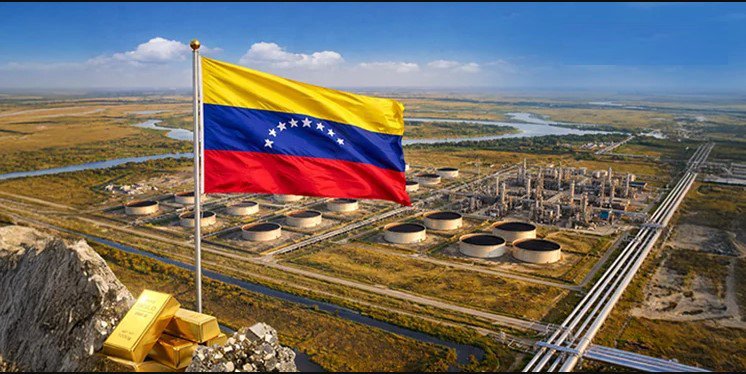
Venezuela’s Resource Wealth and Its Energy Reserves
Venezuela is a country with a very large natural resource base. Beneath its land and offshore waters are major oil and natural gas deposits, while its rivers, forests, gold fields, iron ore deposits, bauxite resources, and other minerals add to its wider resource wealth. This combination makes Venezuela important when people study global energy and mineral resources.
The story, however, is more complex than a list of large numbers. A country can have huge reserves without producing those resources at the same level. Geological wealth is only one part of the picture. Production also depends on technology, investment, infrastructure, skilled workers, transportation, refining capacity, environmental conditions, markets, and long-term planning.
This is why Venezuela’s Resource Wealth and Its Energy Reserves need to be understood together. Oil and gas have played the largest role in the country’s energy system, but Venezuela’s wider natural resource base is much broader.
The U.S. Energy Information Administration reported that Venezuela had about 303 billion barrels of proven crude oil reserves in 2023, the largest proven crude oil reserve total in the world. Most of these reserves are extra-heavy crude from the Orinoco Belt. EIA also reported about 195 trillion cubic feet of natural gas reserves in 2023.
The mineral side tells another story. The U.S. Geological Survey reported that Venezuela produced gold, iron ore, bauxite, aluminum, steel, cement, phosphate rock, lead, lime, ammonia, and other mineral commodities in 2024. At the same time, USGS said Venezuela was not a globally significant producer of mineral commodities in that year.
That difference between resource size and production is one of the most important ideas in understanding Venezuela’s Resource Wealth and Its Energy Reserves.
Understanding Venezuela’s Resource Wealth and Its Energy Reserves
Venezuela’s resource wealth can be divided into several major groups.
- Crude oil
- Natural gas
- Gold
- Iron ore
- Bauxite
- Aluminum
- Diamonds
- Nickel
- Coal
- Phosphate rock
- Industrial minerals
- Forest resources
- Freshwater resources
- Hydropower potential
Oil remains the central energy resource. Natural gas is another major resource, although much of it has not been fully developed. Minerals add another layer of potential, especially in southern and eastern parts of the country.
The term “reserve” also needs care. A reserve is not simply everything that exists underground. In energy and mining, reserves generally refer to resources that are considered recoverable under defined technical and economic conditions. A geological resource may be larger than the amount classified as a proven reserve.
This matters because resource estimates can change.
New geological information can increase an estimate. Better technology can make previously difficult resources recoverable. Higher or lower prices can change economic feasibility. Infrastructure can also affect whether a resource can actually reach a market.
For that reason, numbers in this article should be understood according to their source, definition, year, and method.
Why Venezuela’s Resource Wealth and Its Energy Reserves Matter
Venezuela matters in global resource discussions mainly because of the size of its oil reserves.
EIA reported approximately 303 billion barrels of proven crude oil reserves in 2023. That represented about 17% of global proven crude oil reserves at that time. Yet Venezuela’s crude oil production represented only about 0.8% of global production in 2023.
These figures show why reserves and production should never be treated as the same thing.
A country may hold enormous underground resources but produce much less because extraction is technically difficult or because the supporting industrial system is not strong enough.
Venezuela’s oil is especially important because much of it is extra-heavy crude.
Extra-heavy oil is much thicker than many conventional crude oils. It can be difficult to move through pipelines and usually requires special production, transportation, upgrading, blending, and refining systems.
This adds cost and technical complexity.
The Orinoco Oil Belt is central to this story. A USGS assessment of the Orinoco Oil Belt found more than 1 trillion barrels of heavy oil in place in an assessment area of about 50,000 square kilometers. The USGS estimated a mean of 513 billion barrels of technically recoverable heavy oil, with a range of 380 to 652 billion barrels.
That assessment is older, dating from 2009, so it should not be confused with a current national reserve estimate. It remains useful for understanding the geological scale of the Orinoco accumulation.
Venezuela’s Oil Reserves and the Orinoco Belt
Oil is the foundation of Venezuela’s Resource Wealth and Its Energy Reserves.
The country’s oil story stretches across several major geological areas, but the Orinoco Belt is especially important because of its enormous extra-heavy oil deposits.
The Orinoco region extends across eastern Venezuela south of the Orinoco River. Its oil is generally heavier and more difficult to process than lighter crude found in many other producing regions.
The size of the resource is remarkable.
The USGS estimated that the Orinoco Oil Belt assessment area contained more than 1 trillion barrels of heavy oil in place. Its mean estimate of technically recoverable heavy oil was 513 billion barrels.
But “oil in place” and “technically recoverable oil” are different concepts.
Oil in place describes the amount believed to exist underground. It does not mean that all of it can be produced.
Recoverable resources are a smaller amount based on assumptions about geology, technology, recovery methods, and other factors.
This distinction is important when reading headlines about Venezuela’s oil.
What Makes Orinoco Oil Different?
Extra-heavy oil has several characteristics that affect its production.
- It is very dense.
- It has high viscosity.
- It moves slowly without assistance.
- It can require heating or dilution.
- It needs suitable transportation systems.
- It can require specialized refining or upgrading.
USGS research explains that heavy crude is difficult to produce, store, transport, and refine because of its high viscosity.
This helps explain why Venezuela’s enormous oil reserves do not automatically translate into equally enormous daily production.
Technology is important.
So are pipelines.
So are upgraders.
So are refineries.
So are trained workers and maintenance programs.
All of these parts must work together.
Venezuela’s Resource Wealth and Its Energy Reserves in the Oil Sector
When people search for information about Venezuela’s Resource Wealth and Its Energy Reserves, they often start with one question:
How much oil does Venezuela have?
The answer depends on the definition and year being used, but EIA reported approximately 303 billion barrels of proven crude oil reserves in 2023.
This makes Venezuela a major country in global oil reserve discussions.
But another question is just as important:
How much oil can Venezuela produce?
That answer is much smaller than the reserve number.
EIA reported that Venezuela produced about 0.8% of global crude oil production in 2023 despite holding around 17% of global proven reserves.
This difference is sometimes surprising to readers.
It shows that reserve size is not the same as production capacity.
Production depends on wells, gathering systems, pipelines, storage, export terminals, refineries, electricity, equipment, investment, and technical skills.
A mature oil field also needs continuous maintenance.
Without maintenance, production can decline even when large amounts of oil remain underground.
Venezuela’s Natural Gas Reserves
Natural gas is another major part of Venezuela’s Resource Wealth and Its Energy Reserves.
EIA reported that Venezuela had about 195 trillion cubic feet of natural gas reserves in 2023. That represented about 73% of South America’s natural gas reserves.
This is a very large resource base.
Yet Venezuela has not developed its gas resources at the same scale as its oil reserves.
One reason is that much of the gas is associated with oil production.
Associated gas is natural gas produced along with crude oil.
EIA reported that around 80% of Venezuela’s produced natural gas is associated gas. It also reported that about 30% of natural gas was reinjected into oil fields to help support crude oil production.
This creates an interesting relationship between oil and gas.
Gas is not always treated as a separate product.
Some gas supports oil production.
Some gas is consumed domestically.
Some may be flared when infrastructure is not available.
That means the value of Venezuela’s gas reserves cannot be judged only by the size of the underground resource.
Why Venezuela’s Gas Resources Are Underused
Venezuela’s natural gas sector faces a basic infrastructure problem.
Gas needs pipelines.
It needs processing plants.
It needs storage and distribution systems.
It needs customers.
It may also require facilities for exports.
EIA reported that Venezuela’s gas resources have been underused and that the country lacks sufficient infrastructure for reinjection, storage, distribution, and residential supply.
Historical production also shows the gap between potential and output.
EIA reported that natural gas production peaked at about 1.12 trillion cubic feet in 2001 and had fallen to about 563 billion cubic feet by 2021.
These figures are not a current 2026 production estimate. They are useful for showing the longer-term development gap.
Associated Gas and Oil Production
The connection between oil and gas is especially important in Venezuela.
When an oil well produces associated gas, operators need to decide what to do with it.
It may be:
- Used at the production site
- Reinjected underground
- Sent through pipelines
- Sold to customers
- Used to generate electricity
- Processed for other uses
- Flared when other options are unavailable
Each option requires infrastructure and investment.
This is one reason Venezuela’s Resource Wealth and Its Energy Reserves cannot be measured only by reserve totals.
The country also needs systems capable of turning underground resources into useful energy.
Venezuela’s Resource Wealth and Its Energy Reserves Beyond Oil and Gas
Oil and gas receive most of the attention, but Venezuela’s Resource Wealth and Its Energy Reserves also include important mineral and renewable resources.
The country’s geography creates several different resource regions.
The north and west contain major oil-producing areas.
The east contains the Orinoco Belt.
The Guayana region contains important iron ore and bauxite resources.
The south and southeast contain extensive forests, rivers, and mineral areas.
The country also has large river systems that support hydropower generation.
This geographical diversity makes Venezuela different from a country whose resource wealth depends on only one commodity.
At the same time, it creates a major management challenge.
Different resources require different technologies, transportation systems, environmental rules, and investment plans.
Venezuela’s Gold Resources
Gold is one of the best-known mineral resources associated with Venezuela.
Gold mining occurs in several parts of the country, especially in southern areas.
USGS reported estimated Venezuelan gold mine production of about 30,600 kilograms of contained gold in 2024.
That number is production, not the size of Venezuela’s geological gold reserves.
This distinction is important.
A mine may produce gold every year while the country’s overall geological resource is much larger.
Gold also differs from oil because it is a mineral commodity.
Oil is produced through wells and transported mainly through pipelines, terminals, and tankers.
Gold is extracted from ore or deposits and then processed to recover the metal.
Why Gold Matters to Venezuela
Gold can contribute to:
- Export earnings
- Local employment
- Mining activity
- Industrial services
- Government revenue
- Regional economic activity
But gold mining can also create environmental and social challenges.
Responsible mining requires attention to water, land, waste, worker safety, and local communities.
This is especially important in forested regions where mining can affect ecosystems.
Venezuela’s Iron Ore Resources
Iron ore is another major component of Venezuela’s Resource Wealth and Its Energy Reserves.
Iron ore is the raw material used to produce iron and steel.
Venezuela has historically developed a major iron and steel industry in the Guayana region.
USGS estimated Venezuela’s 2024 iron ore mine production at about 2.4 million metric tons, including about 1.5 million metric tons of iron content.
The country also produced direct-reduced iron and raw steel.
USGS estimated 2024 production of:
- 285,000 metric tons of direct-reduced iron
- 30,000 metric tons of raw steel
These numbers show that Venezuela has more than underground mineral resources. It also has industrial facilities designed to process mineral materials.
However, production levels have been much lower than the country’s historic industrial capacity.
Bauxite and Aluminum Resources
Bauxite is the main ore used to produce aluminum.
Venezuela has bauxite resources in the Guayana region, where mining and aluminum industries developed around the availability of mineral resources and energy.
USGS estimated Venezuela’s 2024 bauxite production at about 250,000 metric tons. It also estimated alumina production at about 80,000 metric tons and primary aluminum production at about 8,000 metric tons.
The difference between these numbers shows how a mineral moves through a supply chain.
Bauxite can be mined.
It can then be processed into alumina.
Alumina can then be turned into aluminum metal.
Each step requires equipment, electricity, transportation, maintenance, and skilled workers.
This is another example of why Venezuela’s Resource Wealth and Its Energy Reserves should be viewed as an industrial system rather than simply a list of natural deposits.
Venezuela’s Coal Resources
Coal is another resource found in Venezuela, especially in western parts of the country.
Coal has historically been associated with the Guajira area.
Its role is much smaller than oil and gas in discussions about Venezuela’s energy system.
Coal also faces a different global market environment from oil and natural gas because many countries are trying to reduce the role of coal in electricity generation.
For Venezuela, this means coal resources may be important as part of the country’s geological wealth, but their future economic role depends on demand, infrastructure, technology, environmental rules, and market conditions.
Venezuela’s Nickel and Other Mineral Resources
Venezuela also has deposits and occurrences of several other minerals.
These include:
- Nickel
- Phosphate rock
- Lead
- Limestone
- Clay
- Kaolin
- Manganese
- Industrial minerals
- Other metallic resources
USGS reported production of several industrial and mineral commodities in 2024. Its production table included alumina, aluminum, bauxite, cement, clay, gold, iron ore, lead, lime, nitrogen, phosphate rock, and steel.
The presence of many mineral types gives Venezuela a diverse resource base.
But geological diversity does not guarantee commercial production.
Some deposits may be too remote.
Some may require expensive infrastructure.
Some may have environmental restrictions.
Others may not be competitive at current prices.
Venezuela’s Resource Wealth and Its Energy Reserves in Guayana
The Guayana region is central to the mineral side of Venezuela’s Resource Wealth and Its Energy Reserves.
This area includes major rivers, forests, mineral deposits, and industrial centers.
Iron ore and bauxite became important foundations for the development of heavy industry in the region.
The region also benefits from large rivers that support hydropower.
This creates an important connection.
Mineral production needs energy.
Energy production needs infrastructure.
Infrastructure needs metals and construction materials.
In this way, Venezuela’s resources can support one another.
For example, electricity can support aluminum production.
Iron ore can support steelmaking.
Steel can support pipelines and industrial equipment.
Oil and gas can provide energy and industrial feedstocks.
This network is one reason resource-rich countries often develop clusters of related industries.
Hydropower and Venezuela’s Energy Resources
Oil and natural gas are not Venezuela’s only energy resources.
Hydropower is also important.
Venezuela has large rivers and substantial hydropower infrastructure.
EIA’s country analysis reported that hydropower accounted for about 64.4% of Venezuela’s electricity generation in the data series shown for 2021.
Hydropower works differently from oil and gas.
Oil is extracted and sold as a commodity.
Natural gas can be burned for heat, industry, and electricity.
Hydropower uses moving water to turn turbines and generate electricity.
Once a hydroelectric facility is built, its operating costs can be different from those of fossil fuel power plants because it does not need a continuous fuel supply.
However, hydropower still needs maintenance.
It depends on dams, turbines, transmission lines, water flows, and other infrastructure.
Why Hydropower Matters
Hydropower can help reduce the amount of fossil fuel required for electricity generation.
It can also support large industrial users.
This is important for industries such as aluminum and steel.
The relationship between energy and minerals is therefore very strong.
A country with large mineral deposits needs reliable electricity if it wants to process those minerals locally.
Venezuela’s Forest Resources
The resource story becomes broader when forests are included.
World Bank data show that forests cover more than half of Venezuela’s land area in recent reported data.
Forests are not simply a source of timber.
They provide many environmental services.
These include:
- Carbon storage
- Wildlife habitat
- Water regulation
- Soil protection
- Biodiversity
- Local livelihoods
- Climate regulation
The value of forests is therefore different from the value of oil or gold.
Oil can be measured through barrels.
Gold can be measured through tonnes.
Forest value is much harder to capture in one number.
This is why a broad definition of Venezuela’s Resource Wealth and Its Energy Reserves should include natural systems as well as extractive commodities.
Venezuela’s Water and River Resources
Water is another major natural resource.
Venezuela has many large rivers and watersheds.
Water supports:
- Cities
- Agriculture
- Industry
- Hydropower
- Ecosystems
- Transportation in some areas
Water also connects different resource sectors.
Mining needs water.
Oil production can affect water resources.
Hydropower depends on river flows.
Agriculture depends on reliable water supplies.
This means resource planning cannot treat every natural resource as a separate issue.
Venezuela’s Resource Wealth and Its Energy Reserves and the Economy
Natural resources have played a major role in Venezuela’s economy for decades.
Oil has been particularly important.
USGS reported that the increase in Venezuela’s nominal GDP in 2024 was mainly attributed to increased hydrocarbon activity, including crude petroleum production and exports. USGS reported nominal GDP of about $120.6 billion in 2024, compared with $102.4 billion in 2023.
This illustrates the continuing importance of hydrocarbons.
But resource dependence also creates risks.
When oil prices fall, government revenues can decline.
When production falls, export earnings can decline.
When infrastructure breaks down, production can suffer.
When investment is weak, future production capacity can become harder to maintain.
This is why countries with large natural resources often try to build stronger non-resource industries as well.
Why Large Reserves Do Not Guarantee Wealth
One of the biggest misunderstandings about Venezuela’s Resource Wealth and Its Energy Reserves is the idea that large reserves automatically mean high national income.
They do not.
A resource must be discovered.
It must be technically recoverable.
It must be economically viable.
It must be produced.
It must be transported.
It must reach a buyer.
The country must receive income from the sale.
The income must then be managed effectively.
That entire chain matters.
A large underground resource can remain underground for decades if the cost of production is too high or if the required infrastructure does not exist.
This is especially relevant for extra-heavy crude.
Venezuela’s Resource Wealth and Its Energy Reserves and Infrastructure
Infrastructure is one of the key links between natural resources and economic output.
Oil needs:
- Wells
- Gathering systems
- Pipelines
- Storage
- Upgraders
- Refineries
- Export terminals
Natural gas needs:
- Gathering systems
- Processing plants
- Pipelines
- Storage
- Distribution
- Export facilities where applicable
Mining needs:
- Roads
- Railways
- Electricity
- Water systems
- Processing plants
- Ports
- Heavy equipment
The energy and mineral sectors therefore depend on many industries outside the resource sector itself.
A damaged road can delay a mining operation.
A pipeline problem can restrict oil production.
A power shortage can reduce industrial output.
A refinery problem can affect fuel availability.
This is why resource development is an infrastructure challenge as much as a geological one.
The Importance of Refining Venezuelan Oil
Crude oil is not the same as gasoline or diesel.
Crude oil must be processed in refineries to produce finished petroleum products.
Venezuela has historically had substantial refining capacity, but EIA reported that its downstream sector had suffered from poor maintenance and other problems, contributing to fuel shortages.
This is an important lesson.
Having oil underground does not guarantee that a country has enough gasoline for its cars.
The crude must be produced.
It must be transported.
It must be refined.
The finished fuel must then be distributed.
Every step matters.
Venezuela’s Heavy Oil and Global Refining
The type of crude matters in international markets.
Venezuela’s heavy crude can be particularly suitable for refineries designed to handle heavier grades.
This is why refinery configuration matters.
A refinery built to process light crude may not be optimized for large amounts of extra-heavy crude.
Heavy crude can also require more complex processing.
The value of Venezuelan crude therefore depends not only on the global oil price but also on quality, transportation, blending, refinery configuration, and processing costs.
Venezuela’s Resource Wealth and Its Energy Reserves and Global Markets
Global markets affect the value of Venezuela’s Resource Wealth and Its Energy Reserves.
Oil prices can change quickly.
Natural gas prices vary between regions.
Gold prices move with global financial markets.
Iron ore prices respond to steel demand.
Aluminum prices depend on industrial activity and global supply.
This means Venezuela’s resource earnings can change even when geological reserves remain unchanged.
The underground resource may stay the same while the economic value changes.
That is another reason reserve size should not be confused with annual revenue.
The Difference Between Resources and Reserves
The words “resource” and “reserve” are often used as if they mean the same thing.
They do not always mean the same thing in technical reporting.
A resource can refer to a broader estimated amount of a natural commodity.
A reserve generally represents the portion considered economically and technically recoverable under defined conditions.
This distinction is important for SEO readers because many online articles mix the terms.
For example, a geological estimate of billions of barrels of oil in place does not mean billions of barrels can be produced immediately.
The same principle applies to mineral deposits.
An estimated gold resource does not mean the country can immediately sell that amount of gold.
Why Reserve Numbers Change
Reserve estimates can change because of:
- New exploration
- Better geological data
- New technology
- Changes in commodity prices
- Changes in production costs
- New infrastructure
- New economic conditions
- Reclassification of deposits
Therefore, readers should always check the year and source of a reserve estimate.
Venezuela’s Resource Wealth and Its Energy Reserves: What Is Proven?
Proven reserves are generally the most important category when discussing commercial oil resources.
EIA’s 2024 Venezuela country analysis reported approximately 303 billion barrels of proven crude oil reserves in 2023.
That number is different from the USGS Orinoco estimate of technically recoverable heavy oil because the studies have different purposes, definitions, methods, and dates.
The USGS Orinoco assessment was a geological assessment published in 2009.
EIA’s national reserve figure is a later estimate of proven crude oil reserves.
These numbers should not simply be added together.
Doing so would double-count resources.
Venezuela’s Mineral Production in 2024
The USGS provides a useful recent snapshot of Venezuela’s mineral production.
Its 2024 estimates included:
- Gold: 30,600 kilograms of contained gold
- Iron ore: 2.4 million metric tons
- Bauxite: 250,000 metric tons
- Alumina: 80,000 metric tons
- Primary aluminum: 8,000 metric tons
- Cement: 1.6 million metric tons
- Raw steel: 30,000 metric tons
- Phosphate rock: 25,000 metric tons
- Nitrogen in ammonia: 330,000 metric tons
USGS notes that several figures are estimates.
These figures are valuable because they show actual reported production rather than simply geological potential.
They also demonstrate that Venezuela’s mineral sector is diverse.
What These Mineral Numbers Tell Us
Production numbers can reveal something that reserve numbers cannot.
They show what the industrial system is actually producing.
For example, Venezuela may have large iron ore resources, but current iron ore production can be much lower than historical production.
The same applies to bauxite and aluminum.
A country can have a strong geological resource base but a smaller operating industrial base.
This difference is central to understanding Venezuela’s Resource Wealth and Its Energy Reserves.
Venezuela’s Mining Industry and State Control
USGS reported that Venezuela’s mineral industry remained predominantly state-controlled in 2024, with limited private or foreign partnerships under existing concessions.
The structure of the mining sector matters because ownership and regulation influence investment, production, and development.
Government-owned companies have historically played major roles in aluminum, iron, steel, and other mineral activities.
The Corporación Venezolana de Guayana, or CVG, is a major state-owned industrial group connected to the country’s basic industries.
The structure of the sector is therefore an important part of the resource story.
Venezuela’s Resource Wealth and Its Energy Reserves and Human Capital
Natural resources require people.
A modern oil industry needs:
- Geologists
- Petroleum engineers
- Drilling specialists
- Refinery workers
- Electricians
- Mechanics
- Pipeline specialists
- Safety professionals
- Data analysts
Mining also requires specialized workers.
A country can have oil and minerals underground but still struggle to develop them if it lacks enough trained workers or if experienced workers leave the sector.
Human capital is therefore part of resource wealth.
The value of natural resources depends partly on the ability of people and institutions to develop them.
Technology and Venezuela’s Energy Reserves
Technology is especially important for Venezuela’s heavy oil.
Extra-heavy crude requires specialized methods.
Technology can help improve:
- Recovery rates
- Well performance
- Transportation
- Upgrading
- Refining
- Reservoir management
- Environmental monitoring
Future technological improvements could potentially make some difficult resources more economical to produce.
However, technology alone cannot solve every problem.
It must be supported by investment, infrastructure, maintenance, skilled workers, and stable operating systems.
Venezuela’s Resource Wealth and Its Energy Reserves and the Environment
Resource development can bring economic benefits, but it also creates environmental responsibilities.
Oil production can affect land and water.
Gas production can lead to methane emissions and flaring.
Mining can disturb forests and soil.
Gold mining can create serious water and ecosystem concerns when poorly managed.
Hydropower can change river systems and landscapes.
These effects mean resource development needs environmental planning.
The question is not only how much a country can extract.
It is also how responsibly it can extract, process, transport, and use those resources.
Forests and Mining Areas
The relationship between forests and mining is particularly important in southern Venezuela.
Many mineral-rich areas are also environmentally sensitive.
A mining project can affect vegetation, wildlife, rivers, and nearby communities.
This creates a difficult balance.
Economic development can provide jobs and income.
Environmental damage can create long-term costs.
Good resource planning therefore needs both economic and environmental information.
Venezuela’s Hydropower and Climate Risk
Hydropower is renewable, but it is not completely free from risk.
Hydroelectric generation depends on water.
Water availability can change with weather patterns and climate conditions.
Drought can reduce river flows.
Lower water levels can reduce electricity generation.
This means a country that depends heavily on hydropower needs reliable planning and backup generation.
The relationship between climate, water, and electricity is becoming increasingly important for energy planning.
Venezuela’s Resource Wealth and Its Energy Reserves and Energy Security
Energy security means having enough reliable energy for households, transport, businesses, and industry.
Venezuela has enormous energy resources, but resource abundance does not automatically guarantee energy security.
The country needs functioning infrastructure.
It needs reliable power generation.
It needs fuel distribution.
It needs working refineries.
It needs gas pipelines.
It needs maintenance.
This is why Venezuela’s Resource Wealth and Its Energy Reserves should be studied from both a geological and infrastructure perspective.
Why Domestic Energy Supply Can Be Different From Export Potential
A country can export oil while still facing problems with domestic fuel supply.
The reason is that crude oil and finished fuels are different products.
A country may have crude reserves but lack enough working refinery capacity.
Likewise, it may have natural gas reserves but lack pipelines to move the gas to consumers.
This is a common lesson in energy markets.
Resources have value only when the complete supply chain works.
Venezuela’s Resource Wealth and Its Energy Reserves and Export Potential
Venezuela’s location gives it access to the Caribbean and Atlantic markets.
Its proximity to North American refining centers has historically been important.
Heavy Venezuelan crude can be processed by refineries designed for heavy oil.
The country also has access to international markets for minerals.
But export potential depends on more than geography.
It also depends on:
- Ports
- Pipelines
- Tankers
- Storage
- Refining
- Financing
- Contracts
- Production reliability
- Market demand
This makes infrastructure and market access central to resource development.
The Future of Venezuela’s Oil Reserves
The future of Venezuela’s Resource Wealth and Its Energy Reserves will depend heavily on oil.
The size of the reserve base means oil will likely remain important for the country’s energy system and export economy.
But the future production level will depend on the ability to maintain and develop oil fields.
The Orinoco Belt presents a particularly large opportunity because of its enormous heavy oil resource.
The challenge is converting geological potential into reliable production.
That requires long-term investment and technical capacity.
The Future of Venezuela’s Natural Gas Resources
Natural gas could become more important if infrastructure improves.
Venezuela has a very large gas resource base.
EIA reported 195 Tcf of natural gas reserves in 2023.
Much of this gas is associated with oil.
Better gas gathering, processing, pipelines, storage, and distribution could increase the amount of gas available for useful purposes.
Potential uses include:
- Electricity
- Industry
- Petrochemicals
- Domestic heating and cooking
- Reinjection
- Export projects
The economic value of gas will depend on the ability to connect production with customers.
Venezuela’s Petrochemical Potential
Oil and gas can also support petrochemical industries.
Natural gas can provide feedstocks for chemicals.
Oil can provide feedstocks for plastics, solvents, lubricants, and other products.
Petrochemicals can therefore create more value than simply exporting raw hydrocarbons.
However, petrochemical plants require large amounts of capital and reliable energy and feedstock supplies.
They also need access to global markets.
Venezuela’s Resource Wealth and Its Energy Reserves and Industrial Development
The biggest long-term question may not be how much Venezuela has.
The bigger question is how much value the country can create from what it has.
There are several possible paths.
One is continued oil production.
Another is greater natural gas development.
A third is mineral processing.
A fourth is renewable electricity and hydropower modernization.
A fifth is building industries that use local energy and minerals to produce higher-value goods.
These paths are not mutually exclusive.
A diversified resource strategy could involve several at the same time.
Adding Value Before Export
Exporting raw materials can generate income.
But processing resources locally can sometimes create additional economic activity.
For example:
- Iron ore can become steel.
- Bauxite can become alumina and aluminum.
- Natural gas can support petrochemicals.
- Crude oil can become refined fuels and chemical products.
Each additional processing stage can require more investment and create more industrial jobs.
However, processing is not automatically more profitable.
Factories need reliable energy, skilled workers, technology, markets, and competitive costs.
Venezuela’s Resource Wealth and Its Energy Reserves and Diversification
Resource diversification means developing several sectors rather than depending on only one.
Venezuela already has a diverse geological base.
Its challenge is converting that diversity into a diverse economy.
Oil is the largest energy resource.
Natural gas is large but underused.
Minerals provide another opportunity.
Hydropower provides electricity.
Forests and water provide environmental and economic value.
The combination is significant.
But each resource needs its own development plan.
Why Reliable Data Matters
Accurate information is especially important when discussing Venezuela’s Resource Wealth and Its Energy Reserves.
Online articles sometimes combine figures from different years.
Some use geological resources as if they were proven reserves.
Others mix production with reserve estimates.
Some numbers may come from government estimates, while others come from international agencies or geological studies.
Readers should therefore ask:
- What year is the number from?
- Who produced the estimate?
- Is it a reserve or resource?
- Is it production or potential?
- What methodology was used?
- Is the figure current?
This article uses EIA, USGS, and World Bank sources where possible because these organizations provide established data and technical reporting.
Venezuela’s Resource Wealth and Its Energy Reserves: Key Facts
Here are the most important points in simple form.
- EIA reported about 303 billion barrels of proven crude oil reserves in 2023.
- EIA said most proven oil reserves are extra-heavy crude from the Orinoco Belt.
- EIA reported about 195 trillion cubic feet of natural gas reserves in 2023.
- EIA said Venezuela held about 73% of South America’s natural gas reserves.
- USGS reported 2024 gold production of about 30,600 kilograms.
- USGS estimated 2024 iron ore production at about 2.4 million metric tons.
- USGS estimated 2024 bauxite production at about 250,000 metric tons.
- Venezuela has major hydropower resources and infrastructure.
- Forests cover more than half of Venezuela’s land area in recent World Bank data.
- Large reserves do not automatically mean high production.
- Infrastructure and investment are critical to resource development.
Frequently Asked Questions About Venezuela’s Resource Wealth and Its Energy Reserves
How much oil does Venezuela have?
EIA reported approximately 303 billion barrels of proven crude oil reserves in Venezuela in 2023. Most of those reserves are extra-heavy crude associated with the Orinoco Belt.
Does Venezuela have the world’s largest oil reserves?
According to EIA’s 2023 data, Venezuela had the world’s largest proven crude oil reserve total, at approximately 303 billion barrels.
What is the Orinoco Oil Belt?
The Orinoco Oil Belt is a very large heavy and extra-heavy oil accumulation in eastern Venezuela. A USGS assessment found more than 1 trillion barrels of heavy oil in place within its assessment area and estimated a mean of 513 billion barrels of technically recoverable heavy oil.
How much natural gas does Venezuela have?
EIA reported approximately 195 trillion cubic feet of natural gas reserves in 2023. It said Venezuela accounted for about 73% of South America’s natural gas reserves.
Why does Venezuela have so much oil but produce less than its reserve size suggests?
Oil reserves and oil production are different measurements. Venezuela’s extra-heavy oil is technically more difficult to produce, and production also depends on infrastructure, investment, equipment, maintenance, skilled workers, and market access.
What minerals does Venezuela have?
Venezuela has gold, iron ore, bauxite, aluminum, nickel, diamonds, coal, phosphate rock, clay, limestone, lead, and other mineral resources. USGS reported production of several of these commodities in 2024.
Is Venezuela rich in gold?
Venezuela has significant gold resources and an active gold mining sector. USGS estimated mine production at about 30,600 kilograms of contained gold in 2024. This is a production figure, not an estimate of total geological gold reserves.
Does Venezuela have iron ore?
Yes. Iron ore is an important mineral resource, especially in the Guayana region. USGS estimated 2024 iron ore mine production at about 2.4 million metric tons.
Does Venezuela have bauxite?
Yes. Venezuela has bauxite resources and an aluminum industry. USGS estimated 2024 bauxite production at about 250,000 metric tons.
Is hydropower important in Venezuela?
Yes. Hydropower has historically supplied a large share of Venezuela’s electricity. EIA’s country analysis reported hydropower at about 64.4% of electricity generation in its 2021 data series.
What is Venezuela’s most important natural resource?
Oil has historically been the country’s most important natural resource in terms of energy production and exports. However, Venezuela also has large natural gas resources, mineral deposits, forests, freshwater resources, and hydropower potential.
Are Venezuela’s natural resources fully developed?
No. Large parts of Venezuela’s resource base remain underdeveloped or are produced below historical or potential levels. EIA has highlighted underused natural gas resources and infrastructure limitations, while USGS reported relatively modest mineral production in 2024 compared with the country’s broader resource base.
People Also Ask About Venezuela’s Resource Wealth and Its Energy Reserves
What natural resources is Venezuela famous for?
Venezuela is best known for its large crude oil reserves, especially the extra-heavy oil of the Orinoco Belt. It also has significant natural gas, gold, iron ore, bauxite, coal, nickel, hydropower, forests, and freshwater resources.
Why is Venezuela rich in natural resources?
Venezuela’s geology and geography created large petroleum basins and mineral deposits. Its large river systems and forests add important renewable and ecological resources.
What are Venezuela’s main energy resources?
The main energy resources are crude oil and natural gas. Hydropower is also a major part of electricity generation.
What is Venezuela’s biggest mineral resource?
Venezuela has several important minerals. Iron ore, gold, and bauxite are among the most important mineral resources and production sectors.
What makes Venezuelan oil difficult to produce?
Much of Venezuela’s proven oil is extra-heavy crude. Its high viscosity makes production, transportation, upgrading, and refining more technically demanding than many lighter crude oils.
People Also Search For
Readers researching Venezuela’s Resource Wealth and Its Energy Reserves may also be interested in:
- Venezuela oil reserves
- Venezuela natural gas reserves
- Venezuela mineral resources
- Venezuela gold reserves
- Venezuela iron ore
- Venezuela bauxite
- Venezuela Orinoco Oil Belt
- Venezuela energy resources
- Venezuela hydropower
- Venezuela natural resources
- Venezuela oil production
- Venezuela gas production
- Venezuela mining industry
- Venezuela resource map
- Venezuela oil reserves by year
- Venezuela natural gas production
- Venezuela mineral production
- Venezuela energy sector
- Orinoco heavy oil resources
- Venezuela resource wealth
Venezuela’s Resource Wealth and Its Energy Reserves: A Balanced View
The scale of Venezuela’s Resource Wealth and Its Energy Reserves is clear from the country’s oil and gas figures.
The country has an enormous proven crude oil base.
It has a very large natural gas resource.
It has major mineral deposits.
It has large rivers and hydropower infrastructure.
It has extensive forests.
But the size of the resource base should not be confused with the amount that can be produced every year.
That is the central lesson.
Natural resource wealth is potential.
Production is the process of turning that potential into useful products.
The gap between the two can be large.
What Could Increase Venezuela’s Resource Potential?
Several factors could influence future resource development.
Better Infrastructure
Modern pipelines, roads, railways, ports, power systems, gas networks, and processing plants could make resources easier to develop.
Improved Technology
New drilling, recovery, processing, and mining technologies could improve production efficiency.
More Reliable Maintenance
Oil fields, refineries, power plants, mines, pipelines, and other industrial facilities need regular maintenance.
Skilled Workers
Technical industries need trained engineers, operators, geologists, mechanics, and other specialists.
Better Resource Data
Updated geological surveys can help companies and governments understand deposits more accurately.
Environmental Planning
Long-term development needs environmental monitoring and responsible land and water management.
Venezuela’s Resource Wealth and Its Energy Reserves and the Next Generation
Resource development is not only about today’s production.
It is also about what future generations inherit.
If oil is extracted, the underground resource becomes smaller.
If forests are damaged, restoration can take decades.
If water systems are polluted, communities can face long-term costs.
If mineral wealth is invested wisely, it can help build infrastructure, education, industry, and other productive assets.
This is why resource wealth should be viewed as a long-term national asset.
The Role of Data in Future Planning
Better data can improve decisions.
For oil and gas, this means better geological models, production measurements, reservoir information, and infrastructure data.
For mining, it means updated geological maps and reliable reserve estimates.
For water and forests, it means monitoring ecosystems and river systems.
For energy, it means understanding electricity demand, generation capacity, and transmission networks.
Good data does not create resources.
But it helps people understand how resources can be developed.
Venezuela’s Resource Wealth and Its Energy Reserves in a Changing Energy World
The global energy system is changing.
Oil and natural gas remain important, but many countries are also expanding renewable energy.
Solar and wind power are growing in many markets.
Electric vehicles are changing transportation.
Energy efficiency is becoming more important.
At the same time, oil remains important for transportation, industry, chemicals, aviation, shipping, and many other uses.
For Venezuela, this creates both opportunities and questions.
Its oil reserves are enormous, but future demand patterns may change.
Its natural gas could support domestic energy and industry.
Its hydropower provides a large renewable electricity base.
Its mineral resources could support industrial development.
The long-term challenge is deciding how these resources fit together.
How Venezuela Could Use Its Resources More Broadly
A broad strategy could connect different parts of the resource economy.
Oil can provide export earnings.
Gas can support industry and electricity.
Hydropower can provide electricity for homes and factories.
Iron ore can support steel production.
Bauxite can support aluminum production.
Minerals can support manufacturing.
Forests can provide ecological services.
Water can support people, agriculture, industry, and power generation.
The goal would not simply be to extract more.
The larger goal would be to create more reliable economic value from the country’s natural assets.
Venezuela’s Resource Wealth and Its Energy Reserves: Final Takeaways
Venezuela’s Resource Wealth and Its Energy Reserves form one of the most important natural resource stories in South America.
The country has an exceptional petroleum resource base.
EIA reported about 303 billion barrels of proven crude oil reserves in 2023. Most were extra-heavy crude from the Orinoco Belt.
The country also has a very large natural gas resource.
EIA reported approximately 195 trillion cubic feet of natural gas reserves in 2023 and said Venezuela accounted for about 73% of South America’s natural gas reserves.
The mineral base is also diverse.
USGS reported 2024 production of gold, iron ore, bauxite, aluminum, steel, cement, phosphate rock, lead, lime, ammonia, and other commodities.
The Orinoco Belt adds another important dimension.
USGS estimated a mean of 513 billion barrels of technically recoverable heavy oil in its 2009 assessment of the Orinoco Oil Belt assessment unit.
Venezuela also has major hydropower resources and extensive forests.
But the key lesson is simple:
Resource wealth is not the same as production wealth.
The value of natural resources depends on geology, technology, infrastructure, investment, skilled workers, markets, environmental management, and long-term planning.
That is why understanding Venezuela’s Resource Wealth and Its Energy Reserves requires looking below the headline numbers.
Venezuela’s story is not only about how much oil, gas, gold, iron, or bauxite is underground.
It is also about how those resources can be developed, processed, transported, used, protected, and converted into lasting economic value.
For researchers, investors, students, energy professionals, and anyone studying Venezuela, this distinction is essential.
The country has a remarkable natural resource foundation.
The future value of that foundation will depend on how effectively its energy and mineral systems can turn geological potential into reliable, productive, and sustainable economic activity.
Sources and Evidence
The main factual foundation for this article comes from established technical and international sources.
- U.S. Energy Information Administration — Venezuela country analysis, including oil reserves, natural gas reserves, production, hydropower, and energy infrastructure.
- U.S. Geological Survey — Venezuela mineral production and mineral industry information for 2024.
- U.S. Geological Survey — Orinoco Oil Belt technically recoverable heavy oil assessment.
- World Bank — Venezuela environmental and development indicators, including forest area and freshwater information.
These sources also show why resource figures should always be read with their date and definition. A proven reserve estimate, a geological resource estimate, an annual production figure, and an estimate of technically recoverable oil are different measurements.
For that reason, this article does not add the different estimates together or present older geological assessments as current production figures.